


The Fed has finally pulled the trigger.
On Wednesday, the U.S. central bank raised interest rates by 25 basis points, lifting the federal funds target range to 3.75%–4.00%. And it may not be the last hike this year.
So what does this actually mean for the markets?
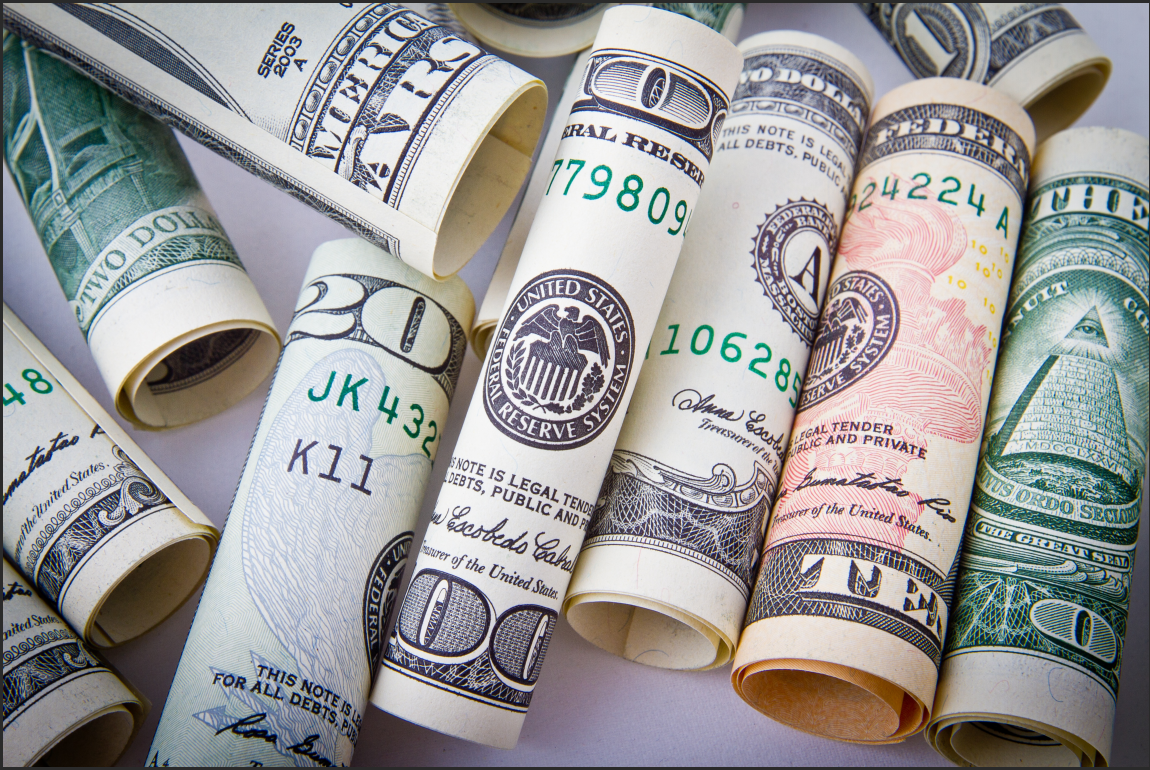
First up: the dollar.
Higher U.S. rates generally make dollar assets more attractive. The Fed also signaled that another hike could come this year, giving the dollar another reason to stay supported. The greenback initially strengthened after the decision.
Then there’s gold.
Gold had a rough night. Higher rates increase the opportunity cost of holding an asset that pays no interest, while a stronger dollar makes gold more expensive for buyers using other currencies. Spot gold fell more than 1% after the decision.
U.S. stocks? Not exactly celebrating.
Higher borrowing costs can put pressure on companies, particularly growth and technology stocks. U.S. equities fell after the Fed decision as investors digested the prospect of another hike.
And then there are Treasuries.
Higher rates usually mean higher yields, which can push bond prices lower. With the 10-year Treasury yield already around the 5% level, the bond market is facing its own pressure test.
So the Fed’s decision is not just about a number on a screen.
It can ripple through USD, gold, stocks, bonds and even emerging-market currencies.
The big question now is simple:
Was this the last shot — or just the opening round?
If the Fed keeps the door open to another hike, markets could stay on edge. If inflation cools and the labor market weakens, however, the central bank may finally have a reason to stop.
For traders, the next move may matter more than the hike we just got.





