.jpg)
Bitcoin's latest sell-off has exposed a growing risk in the crypto market: massive liquidations.
According to CoinGlass data, crypto liquidations exceeding $500 million in a single day occurred 13 times over the past 12 months, with three episodes surpassing $1 billion. In other words, the market has experienced a major wave of forced position closures roughly once a month.
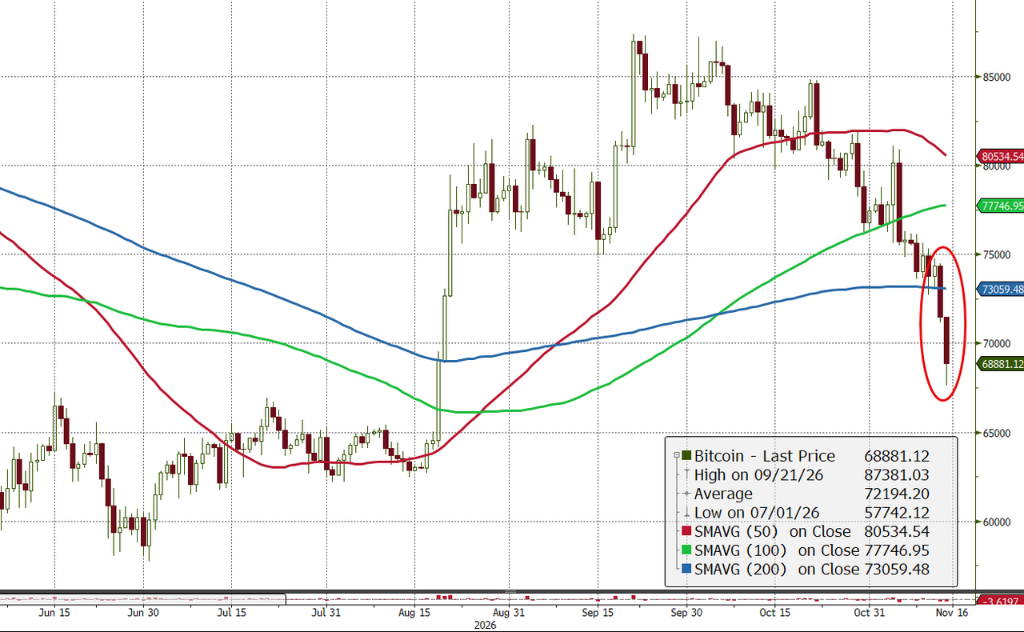
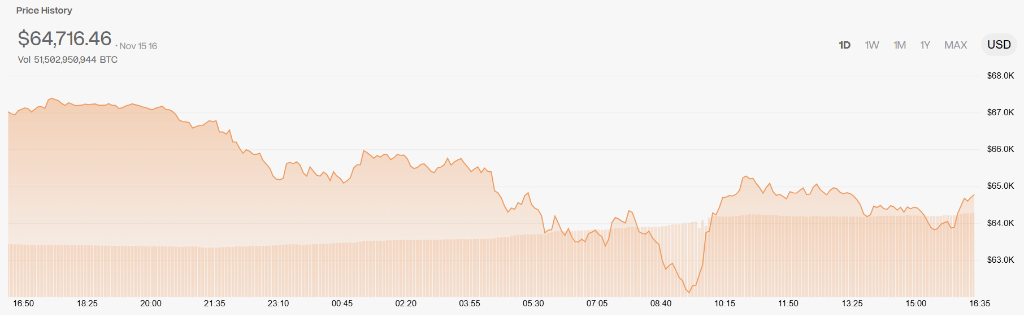
The pressure has intensified in recent days. Bitcoin fell below $63,000 over the weekend, extending its decline to more than 20% since October 21. Meanwhile, nearly $2 billion in crypto positions were liquidated over a 24-hour period, affecting more than 310,000 traders, according to CoinGlass data cited by Wall Street CN.
Why Are Liquidations Becoming a Bigger Concern?
Leverage allows traders to control larger positions with a relatively small amount of capital. However, it also increases the risk of losses.
When prices move sharply against leveraged positions, traders may no longer have enough margin to keep them open. Exchanges then automatically close those positions, triggering liquidations.
The problem is that large-scale liquidations can create a chain reaction. For example, when Bitcoin falls, leveraged long positions may be forced to close. This can add further selling pressure, pushing prices lower and triggering even more liquidations.
Market participants disagree on what these events mean. Some believe large liquidations mainly reflect how concentrated leverage has become, rather than weakness in Bitcoin itself. Others warn that increasingly frequent liquidation events point to greater structural risks in the crypto market.
What Should Bitcoin Traders Watch Next?
Several factors could continue to influence Bitcoin's direction.

Persistent inflation and elevated oil prices have strengthened expectations of tighter US monetary policy, putting pressure on risk-sensitive assets. Meanwhile, continued outflows from US-listed spot Bitcoin ETFs suggest that institutional demand has weakened.
Bitcoin's technical position is also worth watching. Its break below the 200-day moving average near $73,000 has added to selling pressure and triggered further liquidations.
For traders, the key takeaway is that Bitcoin's price movements can become much more aggressive when leverage is high. A relatively small price move may trigger a much larger wave of forced selling.
Watching key technical levels, market liquidity and liquidation activity may help traders better assess volatility and manage risk.
Trade BTCUSD and stay prepared for the next market move.