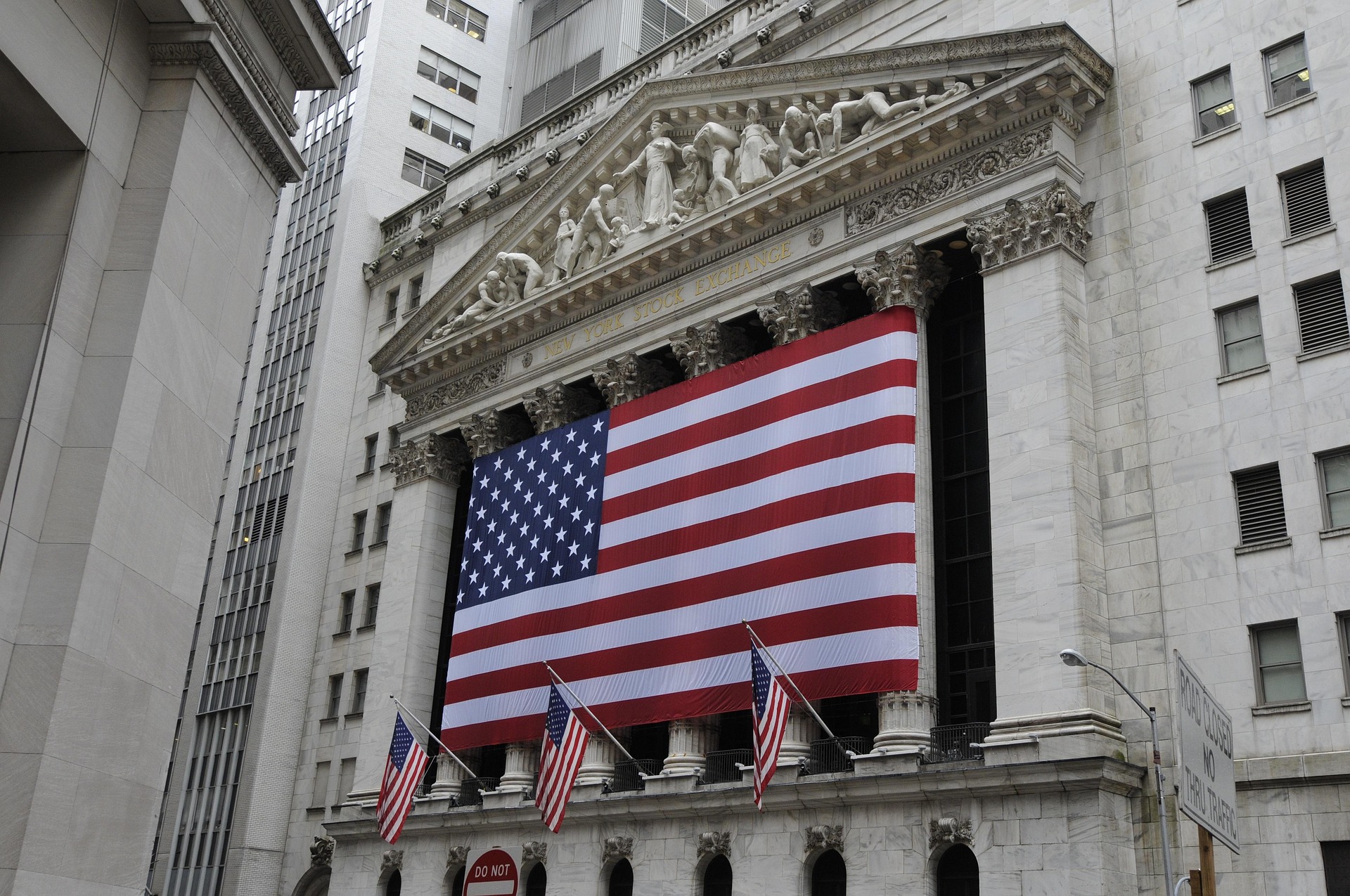
The US midterm elections are becoming a new source of pressure for the AI trade. Early results have shown strong gains for Democrats, raising the prospect that Republicans could lose control of Congress. For investors, the concern is clear: a change in Washington could put the brakes on America's AI expansion.
The first threat is regulation.
A Democratic-controlled Congress would have greater power to investigate Big Tech and push for tighter AI oversight. That could mean stricter safety testing, independent assessments and more scrutiny of the data centres powering the AI boom.
The US is not going to walk away from the AI race with China. But tougher rules could make projects more expensive, slow approvals and delay infrastructure investment. For companies whose valuations depend heavily on future AI growth, even a slowdown in expansion could become a problem.
This is already weighing on sentiment. Nasdaq futures fell more sharply than broader US stock futures as election results came in, with investors reassessing the regulatory risks facing AI and Big Tech.
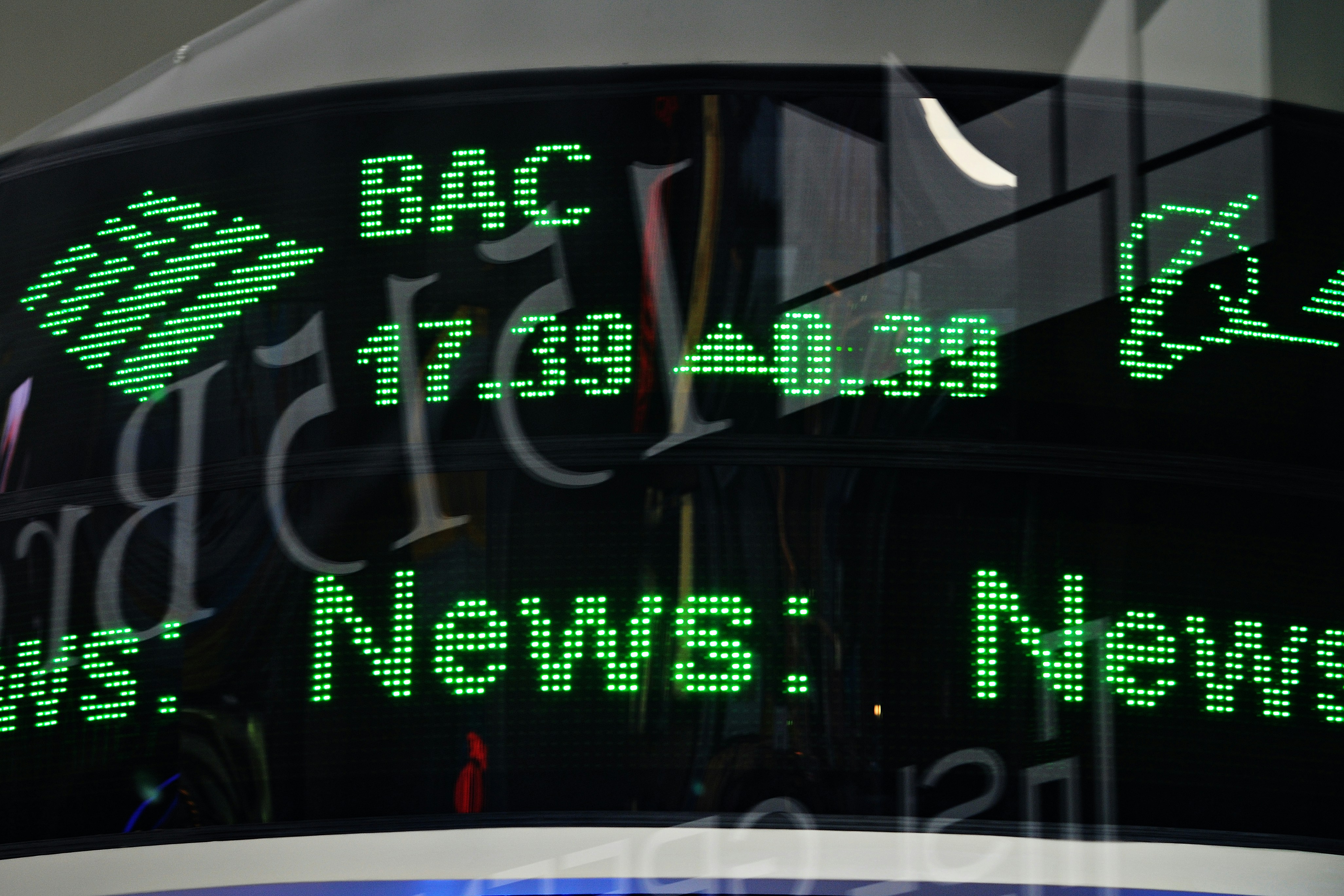
But lower Treasury yields could offer some relief.
A Democratic-controlled Congress could make Trump's spending plans harder to advance, potentially limiting further fiscal expansion. If investors expect a more restrained fiscal outlook, Treasury yields could move lower. That would support high-growth technology stocks by making their future earnings more valuable today.
Still, less government spending does not automatically mean less borrowing. Budget deadlock and debt-ceiling disputes could just as easily create fresh market stress.
Then comes the Iran wildcard.
There is a more dramatic possibility. If election losses leave Trump under greater political pressure, he could have an incentive to change the subject — or seek a faster way out of the Iran conflict. A credible de-escalation could
send oil prices lower, ease inflation concerns and bring Treasury yields down further.
That would be a very different story for AI stocks: lower regulatory enthusiasm on one side, but cheaper energy and lower borrowing costs on the other.
This remains a speculative scenario, not an expected outcome. Congress can intensify political pressure through investigations and oversight, but it does not control the president's military decisions.
The AI boom may not be running out of money or technology. It could be running into a political problem.