
USDJPY is back in focus after hotter U.S. inflation briefly pushed the pair toward 159.
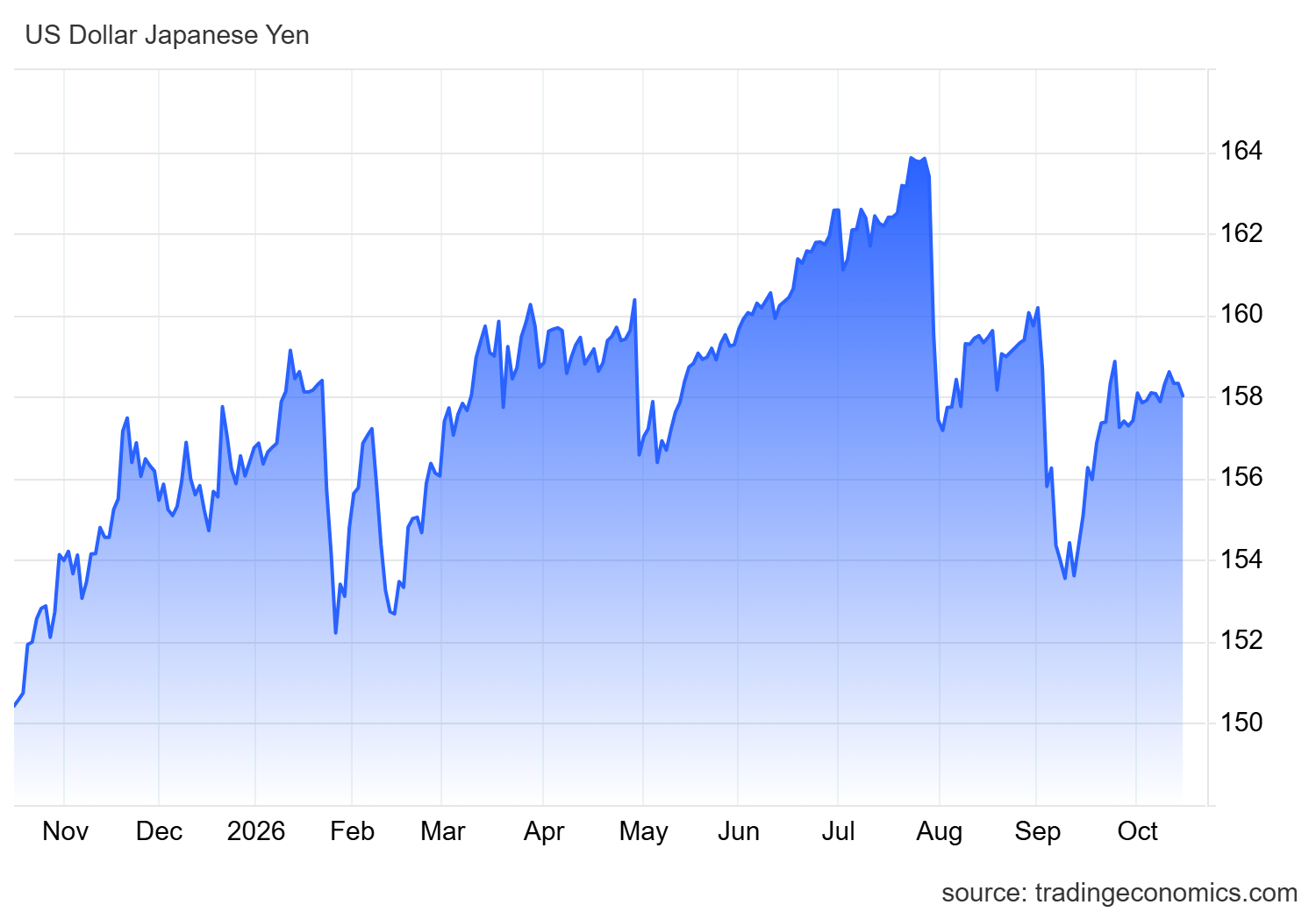
The reason is simple: stronger inflation raised expectations that the Fed could keep rates higher or even tighten again. Higher U.S. yields tend to support the dollar, while Japan's lower-rate environment continues to weigh on the yen.
Hotter CPI → higher Fed expectations → stronger USD → higher USDJPY
But near 160, the story becomes more complicated.
Why 160 Matters
160 is not an official intervention level. But traders remember that Japan has stepped into the currency market during periods of sharp yen weakness before.
That means the closer USDJPY gets to 159–160, the greater the risk of intervention warnings — or sudden volatility.
And we are already seeing how quickly sentiment can change.
After approaching 159, USDJPY pulled back toward 157.7 as U.S. yields eased and Fed officials tempered expectations for an immediate rate hike. At the same time, the Bank of Japan has signaled that further tightening remains possible.
So the pair is now caught between two forces:
Hawkish Fed → supports USDJPY
Lower U.S. yields / hawkish BOJ → supports JPY
What to Watch Next
Technically, 159–160 remains the key resistance zone. A clear break could keep the upside momentum alive, but volatility may increase as intervention concerns grow.
On the downside, 157–157.25 is the first area to watch. A break below could shift attention toward 156.50.
For traders, the lesson is simple:
USDJPY still has reasons to rise. But the closer it gets to 160, the less straightforward that trade becomes.